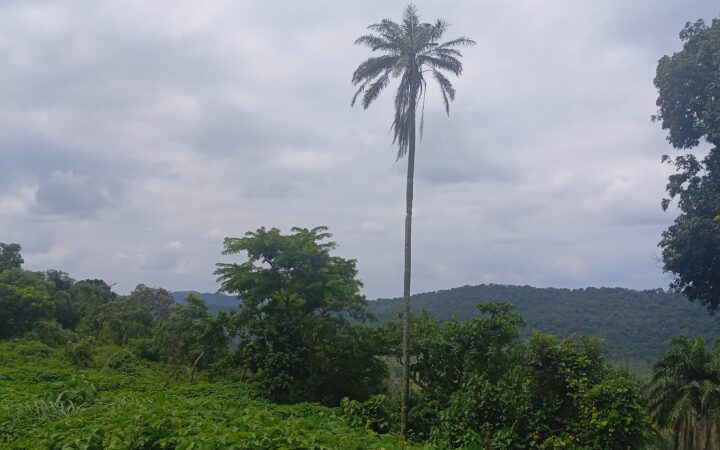
A forest is more than a group of trees. It is a living ecosystem in which plants, animals, fungi, microorganisms, soil, water and climate interact. These relationships shape where species can live, how nutrients move and how the woodland responds to drought, storms, fire and human activity.
Understanding a forest ecosystem means looking both vertically and horizontally: from the canopy to the soil, and from individual organisms to the wider landscape. This guide explains the main layers of a forest, the food webs that connect its inhabitants, and the ecological processes that keep the system functioning.
What Is a Forest Ecosystem?
A forest ecosystem includes the living community and the non-living environment within a forest. Living components include trees, shrubs, herbs, mammals, birds, insects, fungi and bacteria. Non-living components include sunlight, air, water, rocks, soil and temperature.
These parts are connected. Trees use light, water and carbon dioxide to produce organic matter. Herbivores feed on leaves, seeds and other plant material. Predators feed on other animals, while fungi, bacteria and invertebrates help break down dead material. The resulting nutrients can become available to plants again.
A forest is not a closed or unchanging system. Water, seeds, pollen, animals and nutrients move across its boundaries. Nearby rivers, grasslands, farms and settlements can influence what happens inside it.
The Main Layers of a Forest
Many forests have a recognizable vertical structure, although the number and appearance of layers vary with climate, tree species, soil, disturbance and forest age. A tropical rainforest may have a distinct emergent layer above the canopy, while a windswept woodland or dense boreal forest may have fewer clearly separated levels.
1. Emergent layer
In some tall tropical forests, a small number of trees rise above the main canopy. These emergent trees receive strong sunlight and are exposed to wind and changing weather. Their crowns can provide feeding or nesting sites for animals adapted to open conditions above the continuous canopy.
2. Canopy
The canopy is formed by the crowns and branches of the taller trees. Leaves capture sunlight for photosynthesis, and the canopy influences how much light, rain and wind reach the lower layers. It also provides shelter, nesting places and food for many insects, birds and mammals.
3. Understory and shrub layer
Smaller trees, saplings, shrubs and climbing plants grow beneath the canopy. Light is usually more limited here, so plant species must tolerate shade or take advantage of temporary openings. The understory offers cover and feeding areas for wildlife and can contain the next generation of trees.
4. Herb layer and forest floor
Ferns, grasses, mosses, seedlings and flowering plants grow close to the ground where conditions allow. The forest floor also collects fallen leaves, needles, twigs, fruit and dead organisms. This material is not simply waste: it provides food and shelter for many decomposers and small animals.
5. Soil and root zone
Below ground, roots absorb water and nutrients and help anchor trees. Fungi, bacteria, worms and other soil organisms interact with roots and organic matter. Some fungi form mycorrhizal associations with plants, exchanging nutrients and water for sugars produced through photosynthesis. These relationships vary among species and environments.
Forest layers are useful for describing structure, not rigid floors. Many animals move between levels to feed, nest or avoid danger, and some plants occupy more than one layer as they grow.
How Energy Moves Through a Forest
Most of the energy that supports a forest food web begins with sunlight. Green plants capture part of that energy through photosynthesis and store it in leaves, wood, roots, seeds and fruit. Herbivores obtain energy by eating plant material. Predators obtain it by eating other animals, and scavengers use remains left by other organisms.
A simple food chain might begin with a plant, continue to a leaf-eating insect and then to a bird that eats insects. Real forests contain food webs rather than single chains. One bird may eat several kinds of insects and fruit, while an insect may feed on multiple plant species. Changes to one population can therefore affect several others.
Fungi and bacteria, together with detritivores such as earthworms and many insects, process dead leaves, wood and animal remains. Their activity helps return nutrients to soil and other parts of the ecosystem. Decomposition rates depend on moisture, temperature, oxygen, the material involved and the organisms present.
Why Dead Wood and Leaf Litter Matter
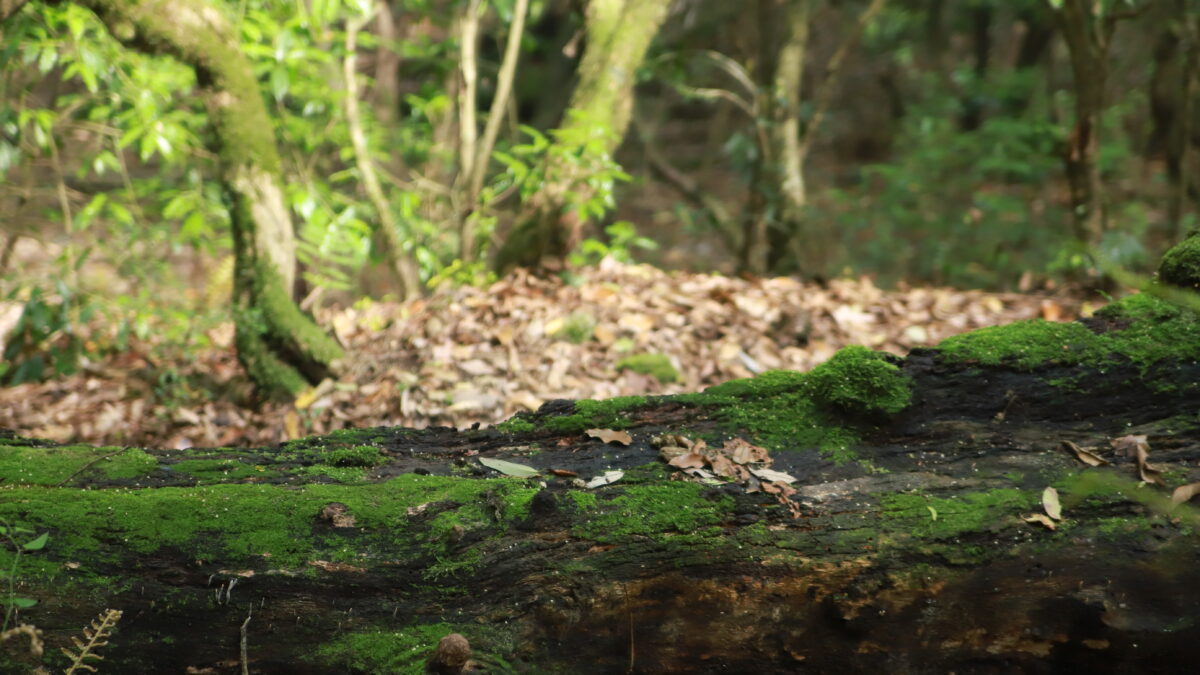
Fallen branches, standing dead trees and rotting logs create habitat. They hold moisture, provide shelter and become food for organisms that break down wood. Some beetle larvae develop in decaying timber; the stag beetle, for example, is associated with dead and decaying wood during its larval stage in parts of its range.
Leaf litter also supports fungi, bacteria, small invertebrates and animals that feed on them. Removing every fallen branch and leaf can simplify habitat and reduce the material available for natural decomposition. Forest management sometimes needs to remove hazardous or diseased material, but dead wood should not automatically be treated as untidy waste.
Water, Soil and the Local Climate
Forest vegetation changes how water moves through a landscape. Leaves and branches intercept some rainfall; roots help hold soil; and forest soils can absorb and store water. The amount of water retained or released depends on tree species, soil depth, slope, weather and land management. Forests do not prevent every flood or guarantee a particular water supply, but they can influence runoff, erosion and catchment conditions.
Shade and evaporation can make conditions beneath a canopy cooler or more humid than nearby open ground. This local environment, often called a microclimate, can be important for seedlings, fungi, amphibians and invertebrates that are sensitive to drying or temperature changes.
Forests also store carbon in living biomass, dead organic matter and soils. The amount and duration of storage differ among forest types and depend on growth, decomposition, disturbance and land use. For more on the movement of carbon through natural systems, see our guide to the carbon cycle.
Different Forests, Different Ecosystems
There is no single model for forest types. Tropical forests often have high plant diversity and warm conditions, but rainfall and seasonal patterns differ greatly between regions. Temperate forests experience stronger seasonal changes and may contain broadleaf trees, conifers or mixtures of both. Boreal forests are dominated by cold-adapted trees and have short growing seasons, while dry woodlands may have open canopies and plants adapted to limited water.
Within each broad type, local differences in elevation, soil, fire history, water availability and past land use create distinct habitats. A forest ecosystem should therefore be understood in its geographical context rather than judged against one ideal structure.
How Forest Ecosystems Change
Forests change as trees grow, die and are replaced. A fallen tree may create a gap that allows more sunlight to reach the ground. New seedlings may establish, shrubs may expand and the balance of species may shift. Ecologists often study these patterns as part of forest succession, but succession does not always follow one predictable path.
Storms, drought, insects, disease and fire can alter forest structure. Some ecosystems are adapted to recurring natural disturbance, while unusually severe or frequent disturbance can prevent recovery. The effects depend on the forest type, the intensity and timing of the event, and the condition of the landscape before it occurred.
Human activities also shape forests through logging, roads, agriculture, pollution, introduced species and climate change. Fragmentation can separate habitats and make it harder for some species to move between forest areas. Our article on deforestation and its effects explains how land-use change can alter forest cover and ecosystems.
How Scientists Assess Forest Health
Forest health cannot be judged by tree cover alone. Researchers and managers may examine tree species, age structure, regeneration, dead wood, soil condition, wildlife, invasive species and the connections between habitat patches. Satellite images can reveal changes across large areas, while field surveys help explain what is happening on the ground.
Monitoring methods answer different questions. Remote sensing can identify changes in canopy cover, but a field survey may be needed to determine which species are present or whether young trees are successfully regenerating. For a related example of how researchers track animal populations in habitats, see our guide to wildlife monitoring.
Observing a Forest Without Damaging It
Visitors can learn a great deal by slowing down and observing several layers. Look for differences in light beneath the canopy, seedlings near gaps, fungi on fallen wood, tracks in soft soil and insects visiting flowers. Avoid disturbing nests, removing plants or collecting wildlife. Stay on established paths where appropriate and follow local rules about fires, dogs and access.
Small observations should not be treated as a complete scientific survey. A quiet visit may reveal activity that is easy to miss at first, but species identification and ecological conclusions often require repeated observations and reliable local information.
Frequently Asked Questions
Is a forest just a group of trees?
No. A forest includes trees and other plants, animals, fungi, microorganisms, soil, water and climate. The interactions among these components make it an ecosystem.
Do all forests have the same layers?
No. Layers differ with climate, tree height, vegetation, disturbance and forest age. Some forests have a distinct emergent layer; others have a simpler structure.
Why are decomposers important?
Decomposers and detritivores break down dead organic material. Their activity helps recycle nutrients and supports soil processes that plants depend on.
Are dead trees harmful to a forest?
Not necessarily. Dead trees and fallen wood can provide important habitat and contribute to nutrient cycling. Specific hazards may need management, especially near roads or buildings, but removing all dead wood can reduce habitat value.
How is forest biodiversity measured?
Researchers use field surveys, species records, vegetation measurements, camera traps, acoustic monitoring and other methods. No single measure captures every part of biodiversity, so studies often combine several approaches.
Related Reading
- Wildlife habitats: forests, wetlands and grasslands
- Key concepts in wildlife ecology
- Conservation: meaning, methods and why it matters
- Fireflies and their habitats
Further Reading and Sources
- Minnesota Department of Natural Resources: Forest layers and ecosystems (PDF)
- Penn State Extension: Forest layers and the understory
- Ecological Society of America, SEEDS: Forest characteristics
- FAO: Forests for food security, nutrition and human health
- National Geographic Education: Food webs
Conclusion
A forest ecosystem is a network of living organisms and physical conditions. Its layers create different habitats, its food webs connect species, and decomposition helps recycle nutrients. Water, soil, climate and disturbance shape how the system develops over time.
Understanding these connections makes it easier to recognize why forests need more than tree cover alone. Protecting a forest also means considering its soils, dead wood, wildlife, regeneration and place within the wider landscape.