Ocean ecosystems are communities of organisms interacting with one another and with their physical surroundings. Sunlight, water temperature, nutrients, depth, currents and the shape of the seabed influence which species can live in a place and how they obtain food.
There is no single “typical” ocean habitat. A sunlit coral reef, a muddy estuary and a dark deep-sea plain support very different forms of life. This guide introduces major marine habitats and the connections that help them function.
Coral reefs
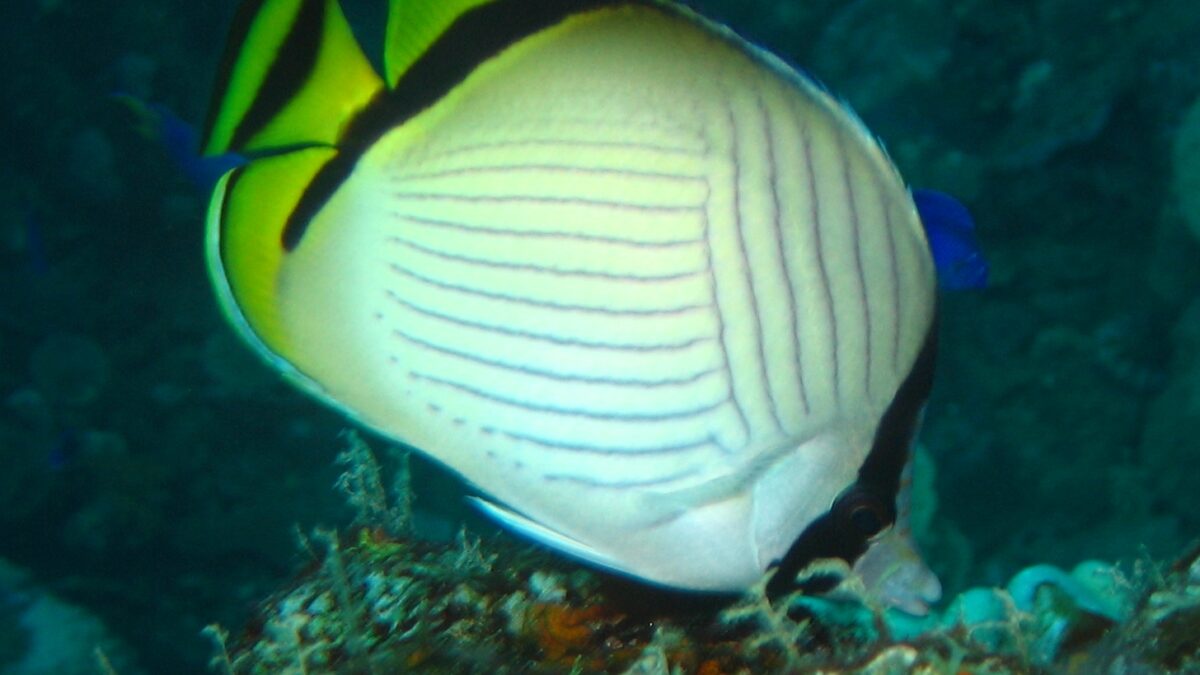
Coral reefs are built by animals that create hard skeletons, often in warm, shallow waters with enough light. Reefs provide shelter, feeding areas and nursery habitat for many fish and invertebrates. Their complex structure supports a rich variety of relationships among predators, grazers, corals and microscopic organisms.
Reefs can be damaged by marine heatwaves, poor water quality, destructive fishing and physical disturbance. Protection works best when local pressures are reduced alongside wider efforts to limit climate change. For a broader explanation of the causes, impacts and responses, read our guide to climate change, its causes, effects and solutions.
Mangroves, salt marshes and seagrass beds
Mangroves grow in suitable tropical and subtropical coastal settings, salt marshes occur along many temperate and cooler coasts, and seagrasses form underwater meadows in shallow water. These habitats can stabilize sediments, store carbon, shelter young animals and help buffer shorelines from waves.
They are vulnerable to coastal construction, altered water flow, pollution and changes in sediment supply. Restoration should be based on local ecology; planting in the wrong place or ignoring the causes of habitat loss can lead to poor results.
Kelp forests and rocky shores
Kelp forests grow in cool, nutrient-rich waters where light reaches the seabed. Their large seaweeds create three-dimensional habitat for fish, invertebrates and other algae. Rocky shores experience changing conditions as tides expose organisms to air and then cover them with seawater.
These environments show how organisms adapt to waves, drying, temperature changes and competition for space. Local food webs can shift when key grazers or predators become unusually abundant or scarce.
Estuaries and coastal waters
Estuaries are places where river water mixes with seawater. Salinity changes with tides, rainfall and river flow, so plants and animals must tolerate variable conditions. Estuaries often provide feeding and nursery areas for fish and birds, but they can also receive pollution carried from inland areas.
Coastal health therefore depends partly on what happens upstream. Monitoring rivers and lakes can help identify pressures before they reach estuaries; see our guide to freshwater monitoring. Better wastewater treatment, careful land management and protection of wetlands can reduce some pressures before they reach the sea.
The open ocean and deep sea
The open ocean covers vast areas beyond the immediate coast. Near the surface, microscopic photosynthetic organisms form the base of many food webs. They are eaten by plankton and small animals, which in turn support fish, seabirds and marine mammals. Nutrient availability, light and circulation influence how productive different regions are.
Below the sunlit zone, light becomes scarce and pressure rises. Many deep-sea animals rely on sinking organic material from above, while specialized communities occur near features such as hydrothermal vents. The basic depth zones and processes are explained in our article on key ocean concepts.
How marine food webs work
Food webs show how energy and nutrients pass among producers, consumers and decomposers. Phytoplankton use sunlight to make organic matter; animals feed on them or on other animals; and decomposers break down dead material and recycle nutrients. Real food webs are networks rather than simple chains, because many species eat several kinds of food.
A change in one species can affect others, but outcomes depend on the ecosystem. Protecting biodiversity and habitat diversity can help ecosystems maintain important functions; learn more in our guide to biodiversity and its threats.
Major pressures on ocean ecosystems
- Climate change: warming, marine heatwaves, sea-level rise and changing ocean chemistry can alter habitats and species ranges.
- Pollution: plastics, wastewater, oil and excess nutrients affect organisms in different ways.
- Habitat loss: coastal construction, dredging and destructive practices can remove or fragment important habitats.
- Overuse: fishing and other activities can put pressure on populations when management does not match ecological limits.
These pressures often interact. Our guides to habitat loss and plastic pollution explore two important parts of the wider problem.
What helps marine ecosystems recover?
Effective conservation combines measures suited to the location: protecting critical habitat, improving water quality, setting sustainable fishing rules, reducing waste, monitoring species and involving coastal communities. A protected area can be useful, but it needs clear goals, appropriate rules and follow-up to determine whether conditions improve. For a broader look at emerging research and management approaches, see our guide to future trends in ocean science and conservation.
Restoration is not a universal shortcut. Projects should use suitable native species, address the reasons the habitat was lost and measure outcomes over time. Broader principles are discussed in environmental conservation methods.
Frequently asked questions
Are all ocean ecosystems near the coast?
No. Ecosystems also occur in the open ocean, deep sea and polar waters. Conditions and food sources differ greatly with depth and location.
Why are microscopic organisms important?
Many microscopic organisms produce organic matter through photosynthesis and support marine food webs. Others recycle nutrients or form partnerships with larger organisms.
Can a damaged marine habitat always be restored?
Not always. Recovery depends on the severity and cause of damage, local conditions, available source populations and whether continuing pressures can be reduced.
Conclusion
Ocean ecosystems range from coastal wetlands and reefs to open water and deep-sea habitats. Their species are connected through food webs, water movement and nutrient cycles. Protecting them requires a mix of habitat care, pollution prevention, responsible resource use and decisions grounded in local evidence.