Ocean research is moving beyond describing what happens at sea toward understanding change earlier, testing solutions and managing human activities more carefully. The future will not follow one fixed path: progress will depend on scientific evidence, public policy, funding, technology and the choices made by coastal communities.
This guide explains several important directions in ocean science and conservation, why they matter, and what to watch as the field develops.
1. Better observation of a changing ocean
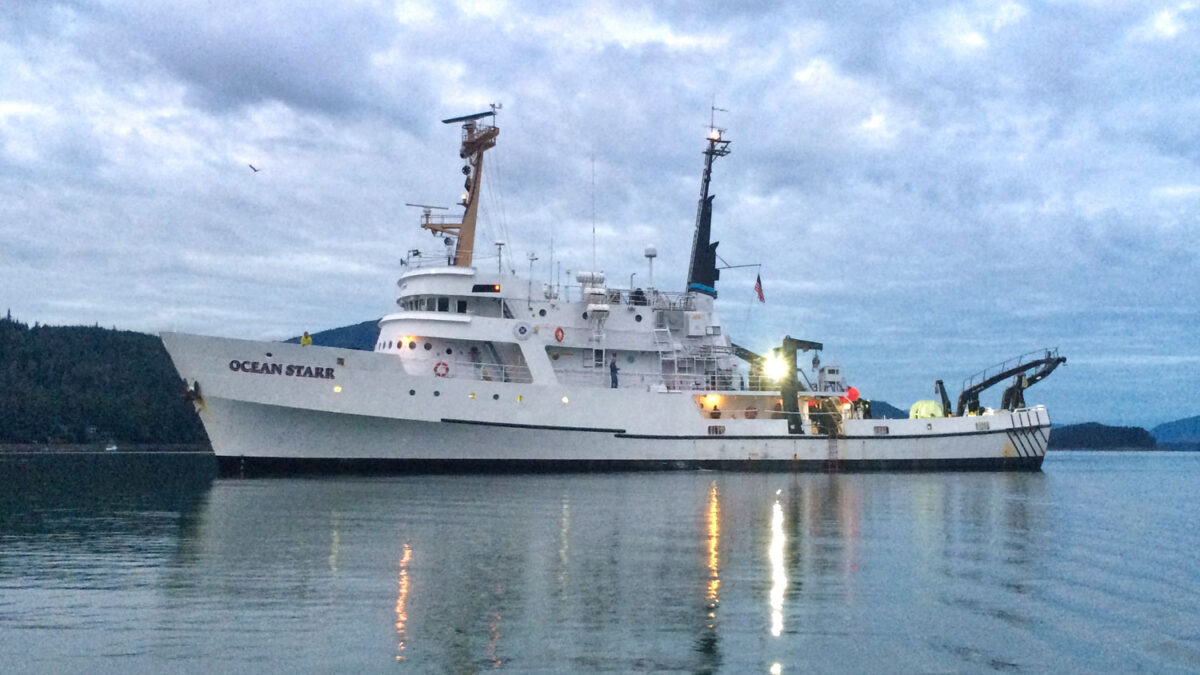
Satellites, research vessels, moored instruments, drifting floats, underwater microphones and autonomous vehicles each reveal different parts of the ocean. Combining these observations can help researchers track sea-surface conditions, currents, oxygen, acidity, marine life and changes in coastal habitats.
Artificial intelligence can help sort large datasets and identify patterns, but it does not replace careful measurement. Sensors can fail, observations may be sparse in remote regions, and models need to be tested against real-world data. A useful trend is therefore not simply “more AI”; it is better-quality observations that are openly documented and checked by experts.
2. Understanding ocean warming and acidification
The ocean absorbs much of the excess heat trapped by greenhouse gases, influencing marine heatwaves, sea level, weather and the conditions experienced by marine organisms. It also absorbs carbon dioxide, which changes seawater chemistry and makes it harder for some organisms to build shells or skeletons.
Researchers are working to improve forecasts, understand which species and habitats are most vulnerable, and identify practical ways to reduce risk. These responses are closely connected to the wider drivers explained in our guide to climate change, its effects and possible responses. Monitoring and adaptation are important, but they cannot substitute for reducing greenhouse-gas emissions.
3. Restoring habitats and protecting biodiversity
Coral reefs, mangroves, salt marshes, seagrass meadows and kelp forests support wildlife and can provide benefits such as shoreline protection, nursery habitat and carbon storage. Restoration projects are receiving attention, but success depends on local conditions. Our guide to ocean ecosystems, habitats and marine life explains the different environments that conservation efforts aim to protect. Planting or rebuilding a habitat will not last if the original causes of damage—such as poor water quality, destructive use or unsuitable coastal development—remain.
Future conservation work is likely to combine protected areas with monitoring, enforcement, habitat restoration and cooperation with people who depend on coastal resources. The broader principles are similar to those in environmental conservation methods and the discussion of habitat loss and conservation.
4. Preventing pollution at its source
Ocean clean-up efforts can remove some waste, but prevention is usually more effective than trying to collect pollution after it spreads. Research and policy are examining product design, waste collection, fishing gear, wastewater, agricultural runoff and the movement of plastics through rivers into coastal waters.
Different sources require different solutions. Better waste systems can reduce plastic leakage, while stronger wastewater treatment and careful land management can address other pollutants. Our guides to plastic pollution and water pollution explain why prevention needs to be tailored to the pollutant and its pathway.
5. Managing ocean space and marine resources
Coastal waters are used for fishing, shipping, tourism, conservation, cables and energy infrastructure. As these activities expand or change, planning must account for ecological limits and competing needs. Marine protected areas can help conserve habitats when boundaries, rules, monitoring and enforcement are appropriate; a designation on a map alone does not guarantee protection.
Good decisions also require the participation of coastal communities, Indigenous peoples where relevant, fishers, researchers and local authorities. Transparent evidence and fair processes matter because conservation measures can affect livelihoods as well as ecosystems.
6. Developing ocean-related renewable energy responsibly
Offshore wind and other ocean-energy technologies may contribute to lower-carbon energy systems, but projects need careful site selection and environmental assessment. Construction, underwater noise, seabed disturbance, navigation and interactions with wildlife all deserve attention. The best outcome balances energy needs with monitoring and mitigation rather than assuming every project has the same effects.
For a broader introduction to the technologies and their trade-offs, see our guide to renewable energy types, benefits and challenges.
7. Making ocean science more useful and accessible
Research can have limited impact if results are difficult for communities and decision-makers to access. More useful ocean science connects measurements with clear explanations, local knowledge, early-warning systems and practical decisions. Data sharing can improve collaboration, but it must also respect privacy, safety and the rights of communities that contribute knowledge.
Long-term funding is another challenge. Ocean monitoring often needs consistent observations over many years, while short projects can end before trends become clear. Maintaining instruments, training researchers and supporting local expertise are as important as developing new technology.
What should readers watch next?
- Whether ocean forecasts become more reliable and useful to coastal communities.
- Whether habitat protection is matched by effective management and measurable ecological outcomes.
- Whether pollution is prevented upstream rather than addressed only after it reaches the sea.
- Whether ocean-energy projects use transparent environmental assessment and monitoring.
- Whether data and decision-making include communities affected by conservation and development choices.
Frequently asked questions
Can technology solve ocean problems on its own?
No. Sensors, models and cleanup tools can support decisions, but they work best alongside effective policy, pollution prevention, habitat protection and changes to harmful activities.
Will marine protected areas restore every damaged ecosystem?
No. Protection can reduce some pressures, but recovery also depends on habitat condition, water quality, climate stress, enforcement and the needs of local species.
Why is long-term monitoring important?
Many ocean changes vary naturally from season to season and year to year. Repeated measurements help researchers distinguish short-term variation from longer-term change and evaluate whether interventions are working.
Where can I learn the basics of ocean processes?
Start with a guide to key ocean concepts, then explore specific subjects such as climate change, pollution and conservation.
Conclusion
The most important future directions in ocean science are connected: better observations, stronger climate understanding, effective habitat protection, pollution prevention and careful planning of human activities. New tools can improve the evidence available, but lasting progress depends on how that evidence is used. The practical test is whether decisions protect ocean ecosystems while helping communities adapt and thrive.