Forests can seem distant from everyday routines, especially for people who live in towns and cities. Yet the food on a table, the water flowing through a catchment, the materials used in a home and the shade in a neighbourhood can all be connected to trees and forest landscapes. Their influence is not limited to places where people walk among the trees.
Forests are living systems made up of trees, other plants, fungi, animals, microorganisms, soils and water. The relationships between these parts create benefits that people depend on, often without noticing them. Understanding those connections helps explain why forest protection is relevant to households, farms, businesses and public services. Forest types differ by climate and geography; our guide to the world’s major forest regions compares tropical, temperate, boreal and other forests.
Forests help protect water supplies
Many rivers and reservoirs receive water from forested catchments. Tree canopies slow some rainfall before it reaches the ground, while leaf litter and healthy soils can help water soak into the ground. Roots hold soil in place, and vegetation can reduce the amount of sediment that washes into streams after rain.
These processes can support water quality and reduce erosion, but the result depends on local conditions. Soil type, slope, rainfall, tree species, forest condition and land management all matter. Forests do not automatically increase the total amount of water available: trees also use water and release it to the atmosphere. The goal of good catchment management is to maintain healthy soils, reliable flows and clean water while balancing the needs of people and ecosystems. For an overview of how rainfall moves through rivers, wetlands and groundwater, see our guide to the freshwater cycle.
For households, this connection can be practical. Sediment entering a reservoir can increase treatment needs, while damage to a watershed can affect farms, drinking-water systems and aquatic habitats. The Food and Agriculture Organization explains how sustainable forest management can help protect soil and water resources in its guide to forest management for soil and water conservation.
Forests contribute to food and nutrition
Forests provide foods that may be gathered, grown or produced in wooded landscapes. Depending on the region, these can include fruits, nuts, seeds, edible leaves, mushrooms, honey and other non-timber forest products. Trees on farms and in agroforestry systems can also provide shade, fruit, fodder and other resources while crops or livestock are raised nearby.
These foods can add variety to diets and provide seasonal resources. For communities that live close to forests, they may also support household income and help families manage periods when crops are scarce. Forests contribute to food production in less direct ways too. They protect soils and water, provide habitat for pollinators and other beneficial species, and form part of landscapes that support agriculture.
Pollination is one example of a connection between woodland ecosystems and food systems. Wild bees and other pollinators visit flowering plants in natural and farmed habitats. Learn more about the biology and ecological role of the honey bee in the Nethep Wiki. Not every crop depends on the same pollinators, and the value of nearby natural habitat varies by crop and location, but diverse landscapes can support a wider range of species.
Wild food collection should always be done carefully. Local rules may protect particular plants or animals, and some mushrooms or other wild foods can be poisonous or easily confused with edible species. Never eat a wild plant or fungus unless it has been identified with confidence by a qualified local expert.
Wood, paper and other materials come from forest landscapes
Wood is used in buildings, furniture, packaging, tools and many other products. Pulp from wood is used to make paper and some forms of fibre. Forest landscapes can also provide resins, oils, fibres, natural dyes, medicinal plants and other materials that are important to local economies and traditional knowledge.
These products are not automatically sustainable simply because they are natural. Their impact depends on where they come from, how they are harvested, how forests are managed and what happens after a product is used. Poorly planned logging can damage habitats, soils and watercourses. Well-managed production can provide useful materials while retaining important ecological functions, but it requires effective rules, monitoring and respect for the rights of people who depend on the land.
When buying wood or paper, consumers can look for clear information about origin, legality and credible forest-management certification. Certification is one useful signal, not a guarantee that every environmental or social issue has been solved. Reducing unnecessary consumption, reusing products and recycling suitable paper can also reduce demand for new raw materials.
Forests influence climate and local temperatures
Trees take in carbon dioxide as they grow and store carbon in trunks, branches, roots and surrounding soils. Forests also exchange water and energy with the atmosphere. Through shade and the release of water vapour, tree cover can influence local temperature and humidity. At a wider scale, forests are part of the climate system and can affect rainfall patterns, although these effects differ between regions.
Forests are vulnerable to climate change as well. Heat, drought, shifting rainfall, wildfire, pests and disease can alter forest health. A damaged forest may lose some of its ability to store carbon, protect soil and provide habitat. Climate pressures therefore make long-term forest management more difficult and strengthen the case for protecting diverse, resilient ecosystems.
Forest loss is one part of the wider environmental challenge discussed in our article on deforestation, its causes and prevention. The broader links between greenhouse gases, ecosystems and changing weather are explained in our guide to climate change.
Forests support biodiversity and ecological processes
A forest is more than a collection of trees. It contains layers of vegetation, dead wood, leaf litter, streams, soil organisms and many kinds of animal life. Each part provides different food and shelter. Birds may nest in branches, amphibians may use damp ground cover, fungi break down organic matter, and insects use flowers, bark and decaying wood.
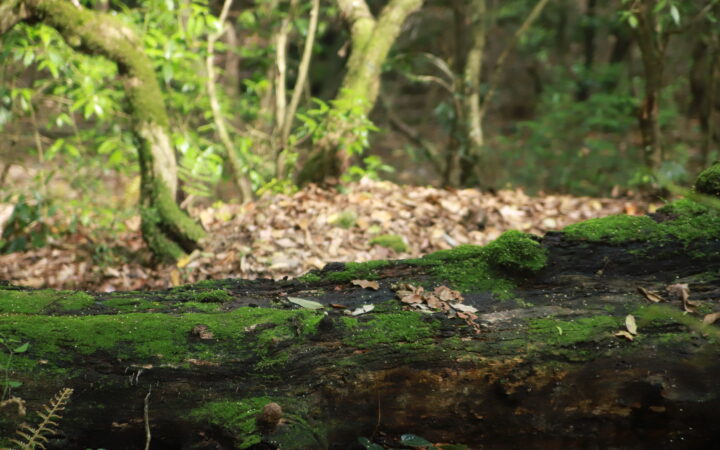
Dead wood is a good example of something that may look untidy but has ecological value. Fallen trunks and old stumps provide food and breeding places for fungi and specialist invertebrates. The stag beetle, for example, is associated with dead and decaying wood during its larval development. Removing every fallen branch from a woodland can therefore remove habitat that some species need.
Forest biodiversity also supports processes that people benefit from, including decomposition, nutrient cycling, pollination and natural pest control. These relationships are complex: no single species performs every function, and the importance of each species changes between ecosystems. Our overview of wildlife habitats explains how different environments support different communities of plants and animals.
Woodlands and green spaces can improve daily well-being
Access to trees and green spaces can create opportunities for walking, exercise, relaxation, learning and social contact. Urban parks, street trees and small woodlands are not substitutes for large natural forests, but they can bring some benefits of nature closer to where people live. Shade can make paths and public spaces more comfortable during hot weather, while well-designed green spaces can offer places for recreation and quiet.
The World Health Organization describes ways that urban green and blue spaces can support physical activity, mental well-being and healthier neighbourhoods. Benefits depend on whether spaces are safe, accessible, inclusive and maintained. A park that is difficult to reach or unsafe to use will not provide the same opportunities to everyone.
Forests and wooded landscapes can also have cultural, spiritual and educational importance. For many Indigenous Peoples and local communities, forests are connected to identity, knowledge, language, food practices and responsibilities passed between generations. Decisions about forest use should therefore include the people whose lives and rights are directly connected to those places.
Forest-related work supports communities
Forests support jobs and income through timber production, restoration, conservation, research, tourism and the collection or sale of non-timber products. Small businesses may depend on guiding, accommodation, crafts, food products or recreation. Public agencies and community groups also employ people to monitor forests, prevent fires, manage protected areas and restore damaged land.
These benefits are not shared equally by default. Workers need safe conditions, communities need secure rights and a fair voice in decisions, and forest products need responsible supply chains. Where forest resources are poorly governed, short-term gains can come at the expense of local livelihoods and long-term ecosystem health.
Monitoring helps show whether forests are changing and whether management is working. Researchers combine field observations with maps, satellite imagery and other evidence. Our article on wildlife monitoring explains how surveys help researchers track animal populations and changes in habitats.
What households can do to support healthy forests
Individual choices cannot replace good laws, responsible businesses or community-led conservation. They can, however, reinforce wider efforts when they are practical and sustained.
- Use materials thoughtfully. Buy durable wood and paper products, check their origin where possible, reuse items and recycle materials accepted by local services.
- Reduce avoidable waste. Plan purchases, repair usable goods and avoid treating disposable products as the default.
- Respect local forests. Follow trail rules, keep dogs under control where required, take rubbish home and avoid disturbing wildlife or nesting sites.
- Prevent fires. Follow local fire restrictions, use designated facilities where permitted and make sure cigarettes, cooking equipment and campfires are fully extinguished according to local guidance.
- Support habitat-friendly spaces. Where suitable, grow native plants and retain a mix of flowering plants, shrubs and trees. Choose species suited to local conditions rather than planting trees in habitats that naturally should not be forested.
- Learn where products come from. Ask businesses about sourcing and support suppliers that can explain how materials are produced and how workers and local communities are treated.
- Take part in local decisions. Community tree care, restoration projects, public consultations and citizen-science programmes can help people contribute knowledge and time.
Planting trees can be useful in the right place, but it is not a universal solution. Natural grasslands, wetlands and other open ecosystems also support biodiversity and store carbon. Restoration should match the original ecosystem and local conditions, and protecting an existing forest is often more valuable than replacing it after it has been cleared.
Frequently asked questions
Do forests matter to people who live in cities?
Yes. Urban residents may depend on forested watersheds for water, on forest products for materials and food, and on healthy landscapes for climate regulation and biodiversity. City parks and street trees also provide nearby green space, although they are different from natural forests.
Do forests always make water supplies larger?
No. Forests can protect soil, influence infiltration and help maintain water quality, but trees also use water. The effect on streamflow depends on rainfall, soil, tree species, forest age and management. Water planning needs local evidence rather than a single rule for every catchment.
Is buying paper or wooden furniture always harmful?
No. Impacts depend on sourcing, harvesting practices, product life and disposal. Products from responsibly managed forests can provide useful renewable materials. Consumers can reduce harm by choosing durable products, checking credible sourcing information and avoiding unnecessary waste.
Are tree plantations the same as natural forests?
No. Plantations are usually established and managed for particular products or purposes. Natural forests generally contain more complex ecological relationships and a wider range of habitats, although conditions vary. A plantation can provide wood, but it should not automatically be treated as a replacement for a natural forest.
Conclusion
Forests support everyday life through water protection, food, materials, climate regulation, biodiversity, livelihoods and opportunities for well-being. Many of these benefits are easy to overlook because they are spread across landscapes and supply chains. Protecting forests therefore involves more than planting trees: it means maintaining healthy ecosystems, using resources responsibly, respecting local and Indigenous rights, and making decisions that account for both people and nature.